

Postagem relacionada
Quais Problemas Um Sistema de Imagem por Gel de DNA Pode Resolver Hoje
2025-11-21Um Sistema de Imagem em Gel de DNA captura e analisa bandas de agarose ou géis de proteína. Ele transforma sinais tênues em imagens claras e compartilháveis. Laboratórios o utilizam em verificação por PCR, clonagem, checagem de SNPs e estudos de proteínas. Ele apoia o trabalho por trás de triagens CRISPR, descoberta de biomarcadores de câncer, casos forenses de DNA e até mesmo rastreamento de linhagem da COVID-19. O objetivo é simples: dados mais rápidos, limpos e defensáveis. Ainda assim, muitas equipes ainda enfrentam faixas fracas, fluxos de trabalho bagunçados e falta de trilhas de auditoria. E se algumas escolhas de design pudessem resolver todos eles? Nas próximas seções, mostraremos onde os verdadeiros gargalos se escondem – e como removê-los.
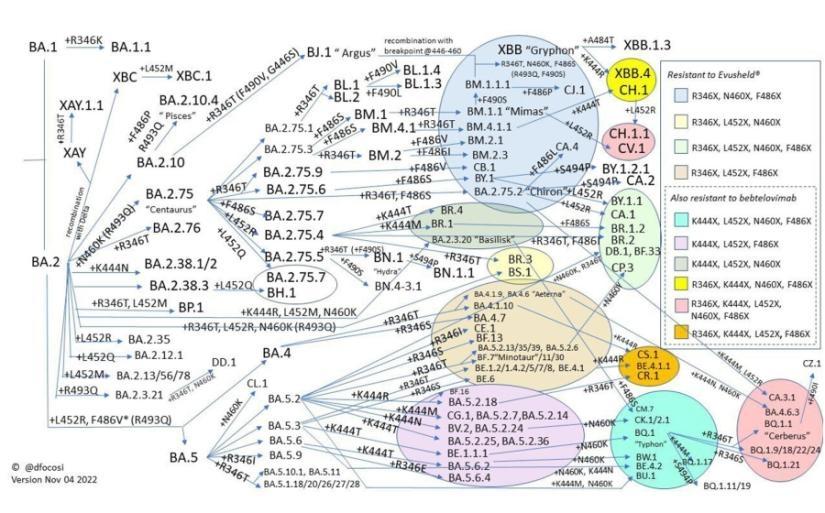
(Acompanhamento das variantes ômicron da COVID-19 | Hub)
Os Laboratórios de Problemas Cotidianos'Não Preciso Mais
A maioria dos laboratórios ainda enfrenta dores de cabeça conhecidas: faixas tênues, configurações de exposição que mudam de velocidade e imagens que não combinam de uma corrida para outra. Esses problemas parecem menores em um único dia, mas em mais de um quarto gastam horas, inflacionam os custos dos reagentes e criam dúvidas sobre os resultados. Na Longlight Technology, projetamos nosso Sistema de Imagem com Gel de DNA para remover essas fricções na fonte, para que os cientistas possam focar nos resultados em vez do trabalho de resgate.
Alvos de baixa abundância são um exemplo claro. Quando o sinal é escasso, a ótica ou iluminação errada força os usuários a superexporem, lavando o fundo e escondendo as próprias faixas que estão tentando ver. Nossa abordagem começa com a sensibilidade: uma câmera CMOS de alta sensibilidade de 6,3 megapixels e uma relação sinal-ruído de 66 dB que preservam as faixas fracas sem a névoa. O resultado é simples – uma imagem limpa na primeira captura em vez da terceira.
Os passos manuais são outro imposto oculto sobre o tempo de laboratório. Digitar manualmente os tamanhos das escadas, salvar imagens em pastas distintas ou exportar para ferramentas externas introduz atrasos e erros. Com processamento no dispositivo em uma tela sensível ao toque de 12,1 polegadas, você pode capturar, rotular e armazenar imagens em um fluxo unificado. Exposição automática, foco automático e aprimoramento de imagem padronizam os resultados entre os usuários, então o mesmo gel capturado na segunda e sexta-feira conta a mesma história.
- A Lacuna de Segurança e Conformidade
Segurança não pode ser algo secundário. A exposição a UV durante a excisão de gel é arriscada quando as equipes dependem de escudos improvisados. Nosso Sistema de Imagem em Gel de DNA suporta cortes externos com uma placa de proteção UV, para que os usuários possam enxergar claramente enquanto permanecem protegidos. No lado da conformidade, a gestão de usuários baseada em papéis, logs categorizados e trilhas completas de auditoria significam que você sempre sabe quem capturou uma imagem, quando e com quais configurações – vitais para QA, auditorias e ambientes regulados.
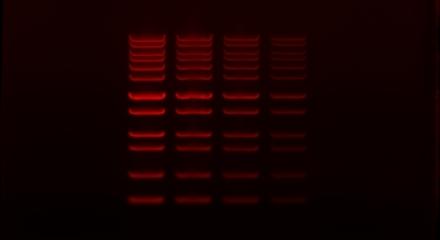
Que um Sistema moderno de imagem em gel de DNA realmente resolve
Uma plataforma moderna deveria transformar pontos recorrentes de dor em vitórias previsíveis. Por isso, a Longlight Technology incorporou clareza, controle e conformidade no núcleo do Sistema de Imagem em Gel de DNA – para que cada captura seja mais rápida, segura e fácil de defender.
- Clareza: Veja Bandas Fracas Sem o Barulho
Clareza não é apenas sobre resolução; É sobre recuperar o sinal verdadeiro. Ópticas de alta sensibilidade e baixo ruído de fundo ajudam a revelar alvos de baixa cópia e proteínas delicadas. Você pode detectar amplicons fracos sem exigir a exposição até que o gel vire um campo cinzento. Para laboratórios que executam fluxos de trabalho sem manchas ou fluorescentes, o sistema suporta luz transmissiva UV, azul e branca para combinar com o corante e o ensaio, em vez de forçar uma abordagem única para ninguém.
• Iluminação multi-fonte (UV/azul/branco) para ampla compatibilidade com corantes
• Fundos limpos que protejam a verdadeira integridade da banda
• Área de imagem consistente dimensionada para géis rotineiros
- Controle: Padronizar a Captura e Reduzir a Variabilidade
A reprodutibilidade vive ou morre no controle de captura. Com o software integrado ao toque, os usuários podem definir exposição, foco e aprimoramento em segundos, sem necessidade de malabarismo no PC. O reconhecimento automático de escada anota os tamanhos das faixas na hora, reduzindo minutos a cada gel e reduzindo o tempo de treinamento para novos funcionários.
• Exposição automática, foco automático e aprimoramento rápido
• Auto-anotação de marcadores para dimensionamento imediato
• Processamento a bordo para decisões mais rápidas e menos repetições
- Conformidade: Rastreável, Auditável e Mais Segura
Rastreabilidade está incorporada. Contas baseadas em funções garantem quem pode fazer o quê, enquanto logs categorizados e trilhas de auditoria documentam cada ação para revisão posterior. Quando seu DNA Gel Imaging System produz um arquivo, ele carrega os metadados que importam – usuário, tempo, configurações – então daqui a seis meses você ainda pode reconstruir a execução. Para a excisão em gel, a placa de proteção UV e o suporte externo de corte protegem olhos, pele e a confiança a jusante.
• Gestão de usuários baseada em funções e trilhas de auditoria
• Excisão em gel mais segura com proteção UV
• Registros limpos que aceleram a aprovação do QA
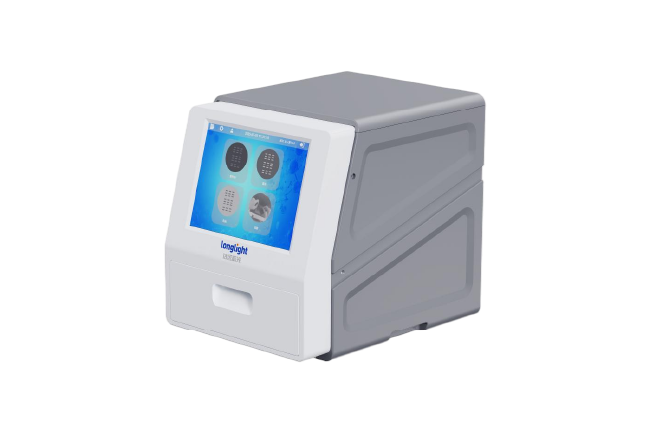
De Tarefa Única to Plataforma Compartilhada: tEle Aproximação Longlight
À medida que os laboratórios se diversificam, um Sistema de Imagem por Gel de DNA deve suportar mais do que ácidos nucleicos. O nosso trata de géis de ácidos nucleicos, géis de proteína (incluindo SDS-PAGE), imagem de colônias, marcadores fluorescentes e ensaios sem manchas. Escolher a fonte de luz certa – UV para sensibilidade, luz azul para segurança do DNA, branco para colônias – significa que um dispositivo atende várias equipes sem compromissos.
Essa amplitude compensa nas operações. Um grupo de clonagem pode visualizar o DNA sob luz azul para reduzir a exposição aos raios UV. A equipe de proteínas consegue capturar faixas tênues com baixo ruído de fundo. Um grupo de controle de qualidade pode contar com o dimensionamento automático da escada, então os relatórios semanais se alinham perfeitamente. Métodos padronizados circulam entre departamentos, e o treinamento fica mais fácil porque os passos são consistentes: abrir o capuz, posicionar o gel, selecionar luz, capturar, anotar e arquivar.
Também pensamos no banco como ele é – não como aparece nos folhetos. O espaço é apertado, os fluxos de trabalho mudam diariamente e os padrões de energia variam conforme a região. A área compacta acomoda bancos lotados; a potência universal (100–240 V, 50/60 Hz) se adapta entre os sites. A área de imagem acomoda tamanhos comuns de gel, enquanto a interface reduz os cliques ao essencial. Na maioria dos dias, sua equipe vai: colocar o gel, selecionar UV/azul/branco, tocar em capturar, revisar a prévia aprimorada, confirmar auto-rótulos e salvar diretamente na pasta do projeto com todos os metadados anexados. Sem labirinto de arquivos. Nada de trabalho de detetive de "quem mandou nisso?".
❓ Por que isso muda os resultados?
Quando as imagens estão limpas pela primeira vez, as repetições caem. Quando a anotação é automática, o tamanho é consistente entre usuários e dias. Quando os registros estão completos, o QA e as auditorias avançam mais rápido. E quando o corte em gel é mais seguro, as pessoas trabalham com confiança. Essas pequenas vantagens se acumulam em menos atrasos, orçamentos mais apertados e decisões mais claras.
Em resumo, um Sistema de Imagem em Gel de DNA bem projetado não é apenas uma câmera em uma caixa; É um acelerador de fluxo de trabalho que protege a integridade dos dados desde a captura até o relatório.
Palavras finais
Se você ainda está lidando com faixas fracas, entrada manual em escada ou arquivos de imagens dispersas, é hora de ver o Sistema de Imagem em Gel de DNA da Longlight Technology em ação. Solicite uma demonstração prática, compare sua configuração atual com a qualidade da nossa captura e quantifique o retorno sobre investimento por meio de menos repetições e análises mais rápidas. Deixe seu próximo gel contar uma história em que você possa confiar – de forma clara, segura e com total rastreabilidade.
